Flora, fauna and habitats of Naar
Overview
Life on Naar is characterized more than on Earth by humidity, coastlines, inland waters, symbioses and periodic bursts of productivity. This results in a biosphere in which mat vegetation, aquatic plants, fungal-plant storage organisms, moist forests and chemically communicating animal forms are significantly more important than dry seas of grass, hard sclerophyll zones or large desert biomes.
The following guiding patterns apply to large parts of the planet:
- Wetland and coastal systems form the most productive and ecologically stable spaces.
- Primary production often occurs in mats, shallow water flora and symbiotic storage organisms rather than in purely woody stands of trees.
- Food chains rely heavily on soft, moist and seasonally fluctuating resources.
- Many animal groups live amphibious, semi-aquatic or adapted to permanently humid transition zones.
- Secretions, scents, mucus, irritants and symbiotic microorganisms play a major role in almost all habitats.
- The Saivor-Bloom cycle increases productivity at intervals of around 6-7 years, especially in the tropics, monsoon areas and coastal wet zones.
Key types of flora
Mat and carpet vegetation
The most common primary producer of naar is not classic grass cover, but rather dense, moss-like, lichen-like and algae-like covers. These mats cover soils, mudflats, banks, seasonal floodplains, and even rocky wetlands.
Typical properties:
- rapid regeneration after flooding, being kicked or eaten
- high area productivity
- strong reaction to Bloom years
- Importance as a cornerstone of almost all food chains
Fungus-plant symbioses
A second main type are large, multicellular symbiotic organisms made up of plant and fungus-like tissue complexes. They range from spongy low shrubs to column-like moisture reservoirs to broad lamellar umbrella bodies or bulbous tissue islands in swamps.
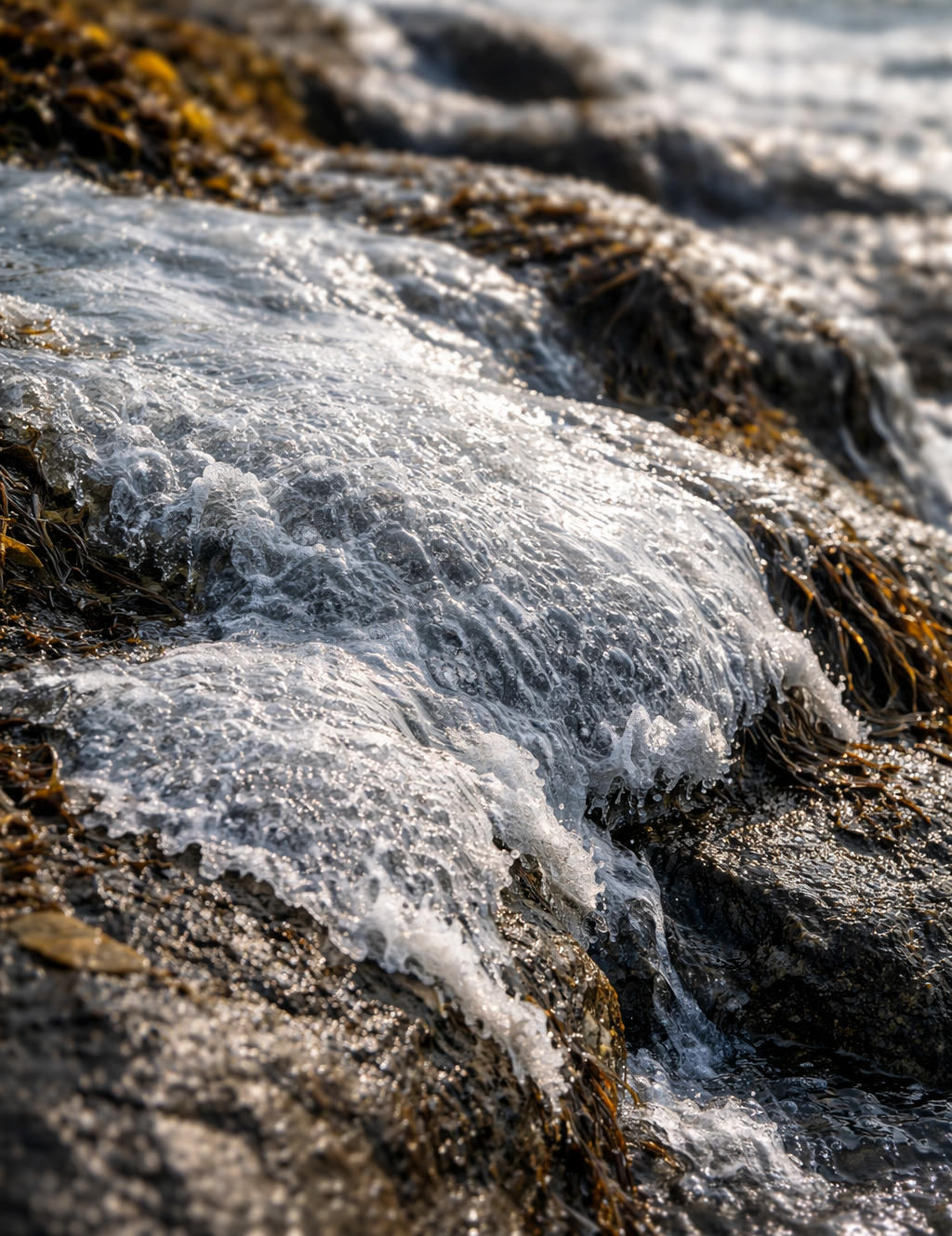
Typical properties:
- Storage of water, minerals and reserve substances
- slow but lasting growth
- Massive formation of fruiting bodies, spores or seed vesicles in bloom years
- ecological role, which on Naar roughly corresponds to the combined function of trees, grasses and large fungi on Earth
Aquatic plants and shallow water flora
Lagoons, inland seas, deltas and riparian zones are characterized by ribbon-shaped aquatic plants, floating leaf covers, algae forests and rooted swamp plants. In many regions, this flora forms the actual core landscape of the biosphere and was probably central to the early evolution of the Enari.
Wet forests and soft forest systems
Higher forest forms exist, but differ from the earth model. Fibrous, glandular and water-storing tissues are dominant. Frequently are:
- Coastal forests with flexible fibrous trunks
- Cloud forests with moisture-trapping crowns
- Swamp forests with aerial roots and storage chambers
- light inland forests on lakes and large river floodplains
Dry sclerophyll systems, extensive coniferous forest analogues and large, contiguous grasslands, however, remain marginal phenomena.
Color and visual image
The Flora Naars mostly looks grey-green, olive, blue-green or violet. Saturated earthy green occurs but does not dominate. In very humid rooms and during bloom events, clearly visible contrasts also occur:
- light or waxy fruit bodies
- translucent storage bubbles
- highly pigmented spores
- selective bioluminescence in night and twilight zones
Leading types of fauna
Amphibious and semi-aquatic animal forms
Many animal groups in Naar are adapted to permanently wet life cycles. Boundaries between land animals, swamp animals and aquatic animals are more fluid than on earth. Frequently are:- moist or secreted skin
- Spawning, capsule or clutch processes near water
- Riparian migrations between breeding and feeding areas
- glandular surfaces for communication, defense or thermoregulation
Filter feeders, grazers and detritus feeders
Because the base of many food chains is soft, moist and organically dense, flexible omnivores, filter feeders, mat grazers and mud feeders are particularly successful. Many use:
- Algae mats
- soft plant tissues
- Fruiting bodies of symbiotic organisms
- Larvae, small animals and suspended matter
- organic sludge and detritus
Swarm and colonial fauna
Bloom years produce huge numbers of small filter-feeding, crawling, jumping, or flying organisms. Such swarms in turn form the food base for larger animals and create a dense, loud and mobile environment in coasts, swamps and river landscapes.
Large fauna of wet areas
Larger land animals also exist, but usually as broad-bodied grazers, heavy riparians, robust omnivores or slower wetland specialists. Very fast long-distance runners in dry open landscapes remain rare.
Predators and chemical communications
Large predators are often tied to watercourses, deltas, wet forests and seasonal migration corridors. Typical are lurking hunters, dense vegetation hunters, pack hunters in riparian landscapes and opportunistic omnivores. Secretion-based animal biology is also widespread on a planetary scale:
- Slimes and protective films
- Fragrances and irritants
- color secretions
- Digestive enzymes outside the body
- Reproductive and marking substances
Many animals also carry algae, microorganisms or fungal-like deposits on their skin, shells or in special pockets and derive camouflage, protection or additional food from them.
Biosphere abundance profile
- Most common: Wetland systems, coastal ecologies, algal and mat biomes, fungal-plant symbioses, aquatic plants, semi-aquatic animals, and chemically communicating organisms
- Also common: Swamp forests, cloud forests, delta-like river landscapes, filter-feeding and detritus-feeding food chains, large fruiting phases and seasonal animal migrations
- Medium common: continental forests, cooler wet regions, larger rural pastures and larger predators
- Rare: extensive true deserts, dry seas of grass, very hard xerophilic vegetation, pronounced high mountain specialists, purely open savanna fauna and strong coniferous forest analogues
Typical habitats of Naar
The following list collects 28 typical habitats of the planet. Each entry identifies the defining flora, likely fauna, and possible uses by the Enari.
1. Equatorial mangrove belts
- Climate and location: warm Af coasts with tides, brackish water and dense humidity
- Flora: rooted swamp plants, salt-tolerant mat felts, lamellar umbrella symbioses, ribbon-shaped bank plants
- Fauna: Silt filterers, capsule spawners, burrowing omnivores, dense flocks, young bank hunters
- Use by the Enari: Early space for breeding centers, collecting, coastal fishing, resin and fiber extraction
2. Inland Sea Wadden
- Climate and location: flat shores of large inland seas with periodic free-falling of the silt
- Flora: Algae skins, low storage nodules, wide areas of slime and mats
- Fauna: Wading crabs, mud eaters, shallow filter colonies, wading ambushers
- Use by the Enari: Harvesting of protein mats, salt and mineral extraction, calendar observation on tide lines
3. Brackish lagoons
- Climate and location: Protected coastal basins between inlets, islands and dune bars
- Flora: Floating leaf covers, ribbon leaf meadows, soft bank perennials, tuberous storage symbioses
- Fauna: Young animal habitats of many aquatic species, small filterers, shallow pastures, colonial nests
- Use by the Enari: Aquaculture, protected settlement areas, brood care areas, extraction of medicinal secretions
4. Delta fans of large rivers- Climate and location: branching systems near estuaries in Af and Am areas
- Flora: rooted flood plants, storage columns on ridges, seasonal fruit umbrellas, bank mats
- Fauna: Detritus eaters, swarm-formers, herd animals near the banks, pack hunters in the thicket
- Use by the Enari: intensive agriculture, canal construction, traffic junctions, historic state centers
5. Monsoon flood plains
- Climate and location: Heavily seasonally flooded plains of the Am zones
- Flora: quickly regenerating carpet vegetation, prostrate storage nodules, fruit organs with short mass maturity
- Fauna: opportunistic omnivores, migratory grazers, mass spawners, seasonal predator surges
- Use by the Enari: recession-based agriculture, seasonal stock management, controlled fruit and spore harvesting
6. Floating Leaf Lakes
- Climate and location: warm to subtropical inland waters with calm surface water
- Flora: wide floating blankets, interwoven root networks, spongy bank cushions
- Fauna: Surface grazers, small jumping fauna, nesting colonies in the roots, lurking hunters under leaf cover
- Enari Uses: floating gardens, food harvesting, quiet transportation routes, hidden places of worship
7. Shallow seaweed forests
- Climate and location: coastal shallow seas with clear enough but nutrient-rich water
- Flora: high algae forests, anchored thread fields, filtering symbiotic cushions at the bottom
- Fauna: large filter feeders, dense communities of young animals, camouflage hunters, grazing bank forms
- Use by the Enari: Dive harvesting, oil and fiber extraction, lamp and dye raw materials, nurseries for food animals
8. Ribbon leaf meadows
- Climate and location: Shallow water zones near lagoons or river mouths
- Flora: dense band-shaped aquatic plants, short mat cushions, fine bladder reservoirs
- Fauna: shallow grazers, ditch dwellers, spawners, small flock eaters
- Use by the Enari: Starch and fodder production, pasture areas for domesticated wetland animals, protection against bank erosion
9. Umbrellamoor Swamps
- Climate and location: permanently wet depressions with organically rich soil and poor drainage
- Flora: wide lamellae umbrellas, bulbous tissue islands, foamy ground cushions, dark spore stands
- Fauna: Spore eaters, detritus fauna, slower swamp grazers, heavy ambushers
- Use by the Enari: Harvesting fruiting bodies and spores, chemical raw materials, fuel and insulation materials from organic mats
10. Shore Carpet Plains
- Climate and location: flat bank landscapes with regular flooding and rapid regrowth
- Flora: dense mat felts, low levels of algae, short-lived bloom fruit organs
- Fauna: Small flocks, mat grazers, light omnivores, small ground hunters
- Use by the Enari: Basic food production, fiber and braiding material, mobile harvest camps
11. Warm moist swamp forests
- Climate and location: low-lying forest areas of the Af and Cfa zones with high groundwater levels
- Flora: fibrous stem organisms, aerial root curtains, glandular crowns, epiphytic mats
- Fauna: Climbers, gliders, riparian predators, large omnivores, colonial nesting communities
- Use by the Enari: Building fabrics, sealants, medicines and fragrances, raised settlements on root islands
12. Coastal cloud forests
- Climate and location: windy coasts with constant moisture condensation
- Flora: mist-drinking crowns, hanging moist fibers, water-bearing scale leaves, matt ground felts
- Fauna: Gliding hunters, nectar and spore eaters, small cliff nesters, soft-skinned grazers
- Use by the Enari: Water collection, medicinal plants, high-quality textile fibers, ritual mist gardens
13. Karst spring forests- Climate and location: water-rich karst areas with spring outlets, sinkholes and underground reservoirs
- Flora: mineral-rich spring mats, rooted shaft plants, translucent wet bags, umbrella symbioses near caves
- Fauna: Source filterers, cave-bound small animals, nocturnal hunters, secretion-carrying climbers
- Use by the Enari: Water reservoirs, fermentation chambers, cult and healing places, protected settlement niches
14. Island Arc Fibrous Forests
- Climate and location: Rainy island chains in the tropics and warm temperate latitudes
- Flora: flexible fiber trunks, storm-resistant canopy nets, salt spray-resistant bank mats
- Fauna: Fruit eaters, nesting colonies, coastal carrion and leftover recyclers, small tree gliders
- Use by the Enari: Boat and roofing materials, intermediate ports, storm refuges, fruit and resin production
15. Moist subtropical meadows
- Climate and location: Rainy Cfa plains between forest, lakeland and floodplains
- Flora: low mat cushions, soft stalk plants, seasonal storage perennials, light symbiotic shrubs
- Fauna: medium-sized herd animals, swarming fauna in masses, small chase hunters, burrowing omnivores
- Use by the Enari: stable agriculture, animal husbandry, overland routes, more densely populated core landscapes
16. Lake District Landscapes
- Climate and location: Cfa and Cfb regions with many large lakes, rivers and wet meadows
- Flora: Riparian forests, floating blankets, island mats, shallow stands of aquatic plants
- Fauna: Migratory colonies, wading hunters, large riparian pastures, fish and filter communities
- Use by the Enari: Maritime transport, inland fishing, urban areas, controlled food production
17. Spring Terraces
- Climate and location: Mineral-rich slope and fracture zones with warm or cool springs
- Flora: lime-loving mats, colored biofilms, short storage cushions, bladder-like fruit organs
- Fauna: Microfilterers, warm water or cold water specialists, predators lurking in niches
- Enari use: Healing baths, pigment and mineral extraction, laboratory and scholar locations
18. Karst and cliff coasts
- Climate and location: steep Cfb coasts with surf, spray and extensive cave systems
- Flora: spray-resistant crust mats, adherent bank fiber plants, moist fissure symbioses
- Fauna: Cliff gliders, shellcrackers, colonies of nesting and vocalizing animals, opportunistic coastal hunters
- Enari Use: Observation Sites, Cave Ports, Spray Dyes, Defense Sites
19. Continental forest-steppe
- Climate and location: drier Dfa and Dfb transition areas in the interior of large continents
- Flora: gappy fibrous forest islands, lower storage columns, seasonal meadows and robust mats
- Fauna: wide pastures, burrowing recyclers, hardy pack hunters, less dense flock fauna
- Use by the Enari: Frontier agriculture, pastoralism, hunting, transit corridors between core areas
20. Large floodplains of the inland continents
- Climate and Location: wide continental river systems with strong seasonal levels
- Flora: Riparian forests, bank cane plants, flood mats, fruiting bodies on high banks
- Fauna: Migratory herds, riparian predators, clutch colonies, fish and mud eaters
- Usage by the Enari: Internal trade, riverside cities, seasonal field systems, large-scale logistics axes
21. Seasonal lake pools
- Climate and location: Pool spaces that fill, shrink or temporarily dry out over the course of the year
- Flora: resilient mats, dormant tuber banks, short-lived aquatic plants, rapid bloom fruiting
- Fauna: boom-and-bust small animals, resting capsule stages, periodic swarms, rapidly migrating grazers
- Use by the Enari: highly calendar-based harvests, stockpiling, seasonal settlements, observation of cyclical ecology
22. Boreal bog forests- Climate and Location: cool Dfc spaces with long winters, wet soil and low evaporation
- Flora: dark felt mats, low-light fiber trunks, thick storage tubers, cool, moist fruit pads
- Fauna: compact grazers, slower cold water predators, shaggy scavengers, colonial moorland fauna
- Use by the Enari: Hunting, insulation and insulation materials, tanning and resin materials, remote monastery or research locations
23. Subpolar lichen swamps
- Climate and location: Transition zone between boreal and polar landscapes
- Flora: cold-tolerant lichen carpets, shallow swamp cushions, short-shooting storage plants
- Fauna: migratory small grazers, colonial crawlers, seasonal flocks, opportunistic predators
- Use by the Enari: summer collecting areas, medicinal and dyes, hiking trails for hunting communities
24. Frozen Deltas
- Climate and location: subpolar estuaries with seasonal icing and short thawing periods
- Flora: ice-bound algae skins, short summer mats, robust shore cushions
- Fauna: strong spawning migrations, ice edge filterers, pack hunters, resting migratory animals
- Use by the Enari: seasonal fishing, cold storage, ice ports, raw material handling in short summer windows
25. Polar seaweed coasts
- Climate and Location: ET and EF fringe zones on icy sea coasts
- Flora: cryophilic algae films, tidal micromats, shallow glacier surf layers
- Fauna: dense filter colonies, shell-like coastal animals, specialized cold hunters
- Usage by the Enari: Sources of fat and oil, pigment extraction, polar stations, specialized hunting and research
26. Glacier Foot Wetfields
- Climate and location: Meltwater zones on the edge of large glaciers and ice fields
- Flora: mineral-rich melting mats, cold spring plants, short-lived summer flower organs
- Fauna: Mud sifters, cool-adapted grazers, small spring predators, swarming fauna that migrate in summer
- Use by the Enari: Mineral and water extraction, research, cultivation of cool-moist special crops
27. Rainshadow Steppes
- Climate and location: dry BS areas behind mountain ranges or deep in the interior of the continent
- Flora: gappy mats, salt and drought tolerant storage columns, low shrubs, tender seasonal meadows after rain
- Fauna: burrowing omnivores, robust small grazers, fast-striking ambushers, mobile swarms after moisture events
- Use by the Enari: Border pastures, long-distance routes, dry reserve for certain crops, rare sources of dye and resin
28. Salt pan edges and dry pools
- Climate and location: rare arid depressions with strong evaporation and periodic flood phases
- Flora: salt-tolerant biofilms, knotty storage cushions, short-lived bank veils after rain
- Fauna: halophilic filterers, resilient recyclers, rare dry pool hunters
- Use by the Enari: Salt and chemical raw materials, isolated cult sites, border posts, specialized seasonal harvesting
Meaning for the Enari
Naar did not initially inhabit a dry open landscape, but rather a network of wetlands, riparian zones, inland waters and productive transitional biomes. This fits well with Enari biology and society:
- Reproduction and brood care benefit from stable wet areas and protected bank landscapes.
- Food systems can be based on cyclical, collective harvests rather than individual hunting dominance.
- Chemical communication, symbioses and institutionalized coordination are particularly adaptive strategies in such a biosphere.
- Political core areas plausibly arise in Cfa, Am and delta-rich landscapes, not in dry savannahs or desert corridors.